

🛍️
Shopping Bag
By admin
25 Oct 2026
Vrishabha Rashi (Taurus): Traits, Meaning & Lucky Color
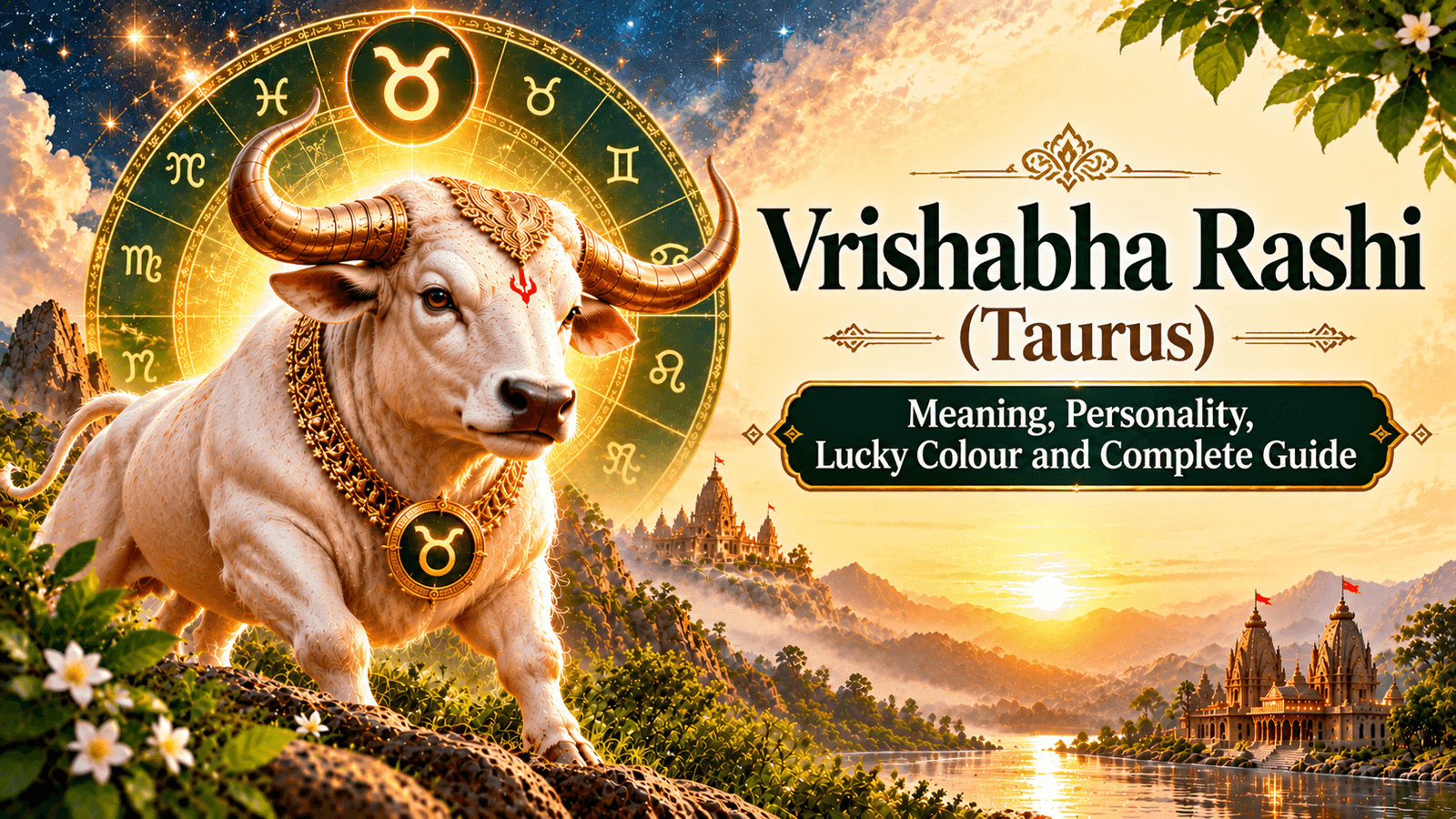
Vrishabha Rashi (Taurus): Meaning, Personality, Lucky Colour and Complete Guide
Vrishabha Rashi, commonly associated with Taurus, is the second sign of the zodiac in Vedic astrology. It is traditionally ruled by Venus (Shukra), associated with the earth element and classified as a fixed sign. Traditional interpretations often connect Vrishabha with stability, patience, comfort and appreciation for beauty.
People searching for Vrishabha Rashi often want to understand its meaning, personality traits, symbol, lucky colour, naming letters and relationship with Western Taurus. This guide explains these topics in simple English while distinguishing traditional astrological beliefs from scientifically established facts.
What Is Vrishabha Rashi?
Vrishabha Rashi (वृषभ राशि) is the second sign of the sidereal zodiac used in Vedic astrology. The Sanskrit word Vrishabha refers to a bull, which is also the traditional symbol of the sign.
In common Indian usage, “rashi” often refers to the Moon sign, or Chandra Rashi. This is calculated from the Moon’s position at the time of birth using the chosen astrological system.
Vrishabha Rashi occupies 30° to 60° of the sidereal zodiac. Its traditional ruling planet is Venus, known as Shukra in Hindi.
In simple terms: Vrishabha Rashi is the Vedic zodiac sign associated with the bull, Venus and the earth element. Traditional interpretations commonly emphasise steadiness, persistence and a preference for comfort and security.
Vrishabha Rashi Meaning in English
Vrishabha Rashi is commonly associated with Taurus in English.
However, Vedic astrology generally uses the sidereal zodiac, while mainstream Western astrology commonly uses the tropical zodiac. These systems use different reference points, so their sign boundaries do not align exactly.
There is also a difference between a Moon sign and a Sun sign. In India, when someone asks “Aapki rashi kya hai?”, they may be referring to the Vedic Moon sign. Many Western horoscope columns, on the other hand, describe the tropical Sun sign.
For an accurate comparison, first identify which sign and calculation system you are using.
What Is the Symbol of Vrishabha Rashi?
The traditional symbol of Vrishabha Rashi is the bull.
In astrological symbolism, the bull is often associated with strength, patience, endurance and determination. This imagery helps explain why traditional descriptions of Vrishabha frequently emphasise consistency and the ability to stay committed to a goal.
The symbol is part of a cultural and astrological tradition. It does not mean that every person associated with Vrishabha Rashi will have the same personality.
Vrishabha Rashi in Vedic Astrology
The main traditional associations of Vrishabha Rashi are:
| Feature | Traditional association |
|---|---|
| Sanskrit name | Vrishabha (वृषभ) |
| English-associated name | Taurus |
| Symbol | Bull |
| Ruling planet | Venus (Shukra) |
| Element | Earth |
| Modality | Fixed (Sthira) |
| Zodiac position | Second sign of the sidereal zodiac |
| Associated nakshatra sections | Last three padas of Krittika, all of Rohini and first two padas of Mrigashira |
These associations describe the sign within Vedic astrology. Different astrological schools may interpret them differently.
Ruling Planet: Venus (Shukra)
Venus is traditionally associated with beauty, relationships, harmony, art and enjoyment. Because Venus rules Vrishabha Rashi in Vedic astrology, traditional descriptions often connect this sign with an appreciation for aesthetics, comfort and close relationships.
These are symbolic interpretations rather than scientifically established predictions about an individual’s preferences or behaviour.
Element: Earth
Vrishabha belongs to the earth element in the traditional zodiac classification. Earth signs are often described as practical, steady and connected with tangible results.
In this framework, the element symbolises groundedness and stability. It is not a scientific measurement of a person’s temperament.
Modality: Fixed (Sthira)
Vrishabha is classified as a fixed sign, known as a Sthira Rashi. Traditional interpretations associate fixed signs with persistence, consistency and maintaining what has been established.
The positive interpretation is commitment and patience; a possible challenge, within the same symbolic framework, is resistance to change.
Vrishabha Rashi Nakshatras
A nakshatra is one of the 27 lunar divisions used in Vedic astrology. Vrishabha Rashi includes portions of three nakshatras.
| Nakshatra | Portion within Vrishabha Rashi | Traditional naming sounds |
|---|---|---|
| Krittika | Padas 2, 3 and 4 | Ee, U, E |
| Rohini | All four padas | O, Va, Vi, Vu |
| Mrigashira | Padas 1 and 2 | Ve, Vo |
A pada is one-quarter of a nakshatra. Each nakshatra has four padas, and some nakshatras span more than one rashi.
The naming syllables above follow a commonly used North Indian naming convention. Regional traditions and transliterations can vary, so verify the relevant syllable against the birth nakshatra and pada before using it for a naming ceremony.
Vrishabha Rashi Personality and Characteristics
Traditional Vedic astrology often describes Vrishabha Rashi as steady, patient, dependable and comfort-loving. These are traditional interpretations, not universal facts about every person born under this sign.
Commonly described strengths
1. Patience: Vrishabha is traditionally associated with taking time to build something rather than rushing towards an immediate result.
2. Persistence: Its fixed quality is often interpreted as determination and the ability to remain committed to a goal.
3. Practical thinking: The earth element is symbolically linked with realistic planning and attention to tangible results.
4. Reliability: Traditional descriptions sometimes connect this sign with loyalty, consistency and fulfilling responsibilities.
5. Appreciation for beauty: Its association with Venus is often interpreted as a preference for art, music, design, nature or comfortable surroundings.
Commonly described challenges
Some traditional descriptions associate Vrishabha with stubbornness, reluctance to change or an excessive preference for comfort.
These traits are not inevitable. A person’s habits and decisions are shaped by many factors, including upbringing, experiences, skills and personal choices. A zodiac sign alone cannot reliably determine character.
You can use these traditional descriptions as reflection prompts: How do you respond to sudden changes? Do you give yourself enough time to make decisions? When does persistence help, and when might flexibility be more useful?
Vrishabha Rashi in Love and Relationships
Traditional astrology often describes Vrishabha as valuing stability, affection, trust and consistency in relationships. Its association with Venus is commonly used to explain the emphasis on closeness and harmony.
However, a person’s relationship style cannot be determined from their rashi alone. Healthy relationships require communication, respect, shared effort, trust and an understanding of personal boundaries.
Astrological compatibility can be a cultural or personal interest, but it should not replace evaluating a person’s real behaviour and the quality of the relationship.
Vrishabha Rashi Career and Work Preferences
Traditional interpretations often connect Vrishabha Rashi with patience, steady effort and practical planning.
Someone who enjoys these qualities might appreciate work involving long-term projects, design, operations, finance, craftsmanship or other areas that reward consistency. These are examples for reflection, not career predictions based on a zodiac sign.
Career decisions should be based on a person’s skills, interests, education, experience, financial needs and available opportunities—not on rashi alone.
Vrishabha Rashi Lucky Colour and Lucky Number
Green, white and soft or earthy shades are sometimes associated with Vrishabha in popular astrological interpretations. The exact recommendations vary across traditions and individual readings.
There is no universally agreed lucky colour or number that guarantees success for every person with this rashi.
| Topic | Common traditional association |
|---|---|
| Lucky colour | Green, white or earthy shades in some traditions |
| Lucky number | Recommendations vary by tradition |
| Ruling planet | Venus (Shukra) |
| Symbol | Bull |
Treat these associations as cultural or astrological beliefs rather than guaranteed outcomes. You do not need to make financial, professional or personal decisions based on a lucky colour or number.
Vrishabha Rashi Ke Akshar
The commonly used North Indian naming syllables associated with Vrishabha Rashi are:
ई, उ, ए, ओ, वा, वी, वू, वे और वो
In Roman letters, these are often represented as Ee, U, E, O, Va, Vi, Vu, Ve and Vo. Transliteration can vary between regional languages and naming traditions.
The syllables correspond to the nakshatra padas within Vrishabha Rashi:
- Krittika: padas 2–4 — Ee, U, E
- Rohini: padas 1–4 — O, Va, Vi, Vu
- Mrigashira: padas 1–2 — Ve, Vo
These sounds are traditionally used in some Hindu naming practices. If you are choosing a baby’s name according to birth nakshatra, calculate the exact nakshatra and pada using the date, time and place of birth. The full list represents possible syllables for the sign; it does not mean every child should be named using any syllable from the list.
Vrishabha Rashi and Western Taurus: What Is the Difference?
Vrishabha Rashi and Taurus are commonly associated names, but the zodiac systems behind them differ.
Vedic astrology generally uses the sidereal zodiac, which is referenced to the stars and applies an ayanamsa in its calculations. Mainstream Western astrology generally uses the tropical zodiac, aligned with the seasonal equinoxes.
As a result, the sign calculated in one system may not match the sign in the other. A Vedic Moon sign may also differ from a Western Sun sign because they refer to different astronomical points.
When comparing your signs, identify whether you mean the Vedic Moon sign, Vedic Sun sign or Western tropical Sun sign.
How Can You Identify Your Vrishabha Rashi?
To find your Vedic Moon sign, you generally need:
- Date of birth.
- Birth time, as accurately as possible.
- Birthplace.
These details help calculate the Moon’s position at birth. A reliable Vedic birth-chart calculator or a qualified practitioner can help you determine the sign using a stated calculation method.
A name’s first sound may suggest a traditional naam rashi, but it does not independently confirm the person’s Moon sign.
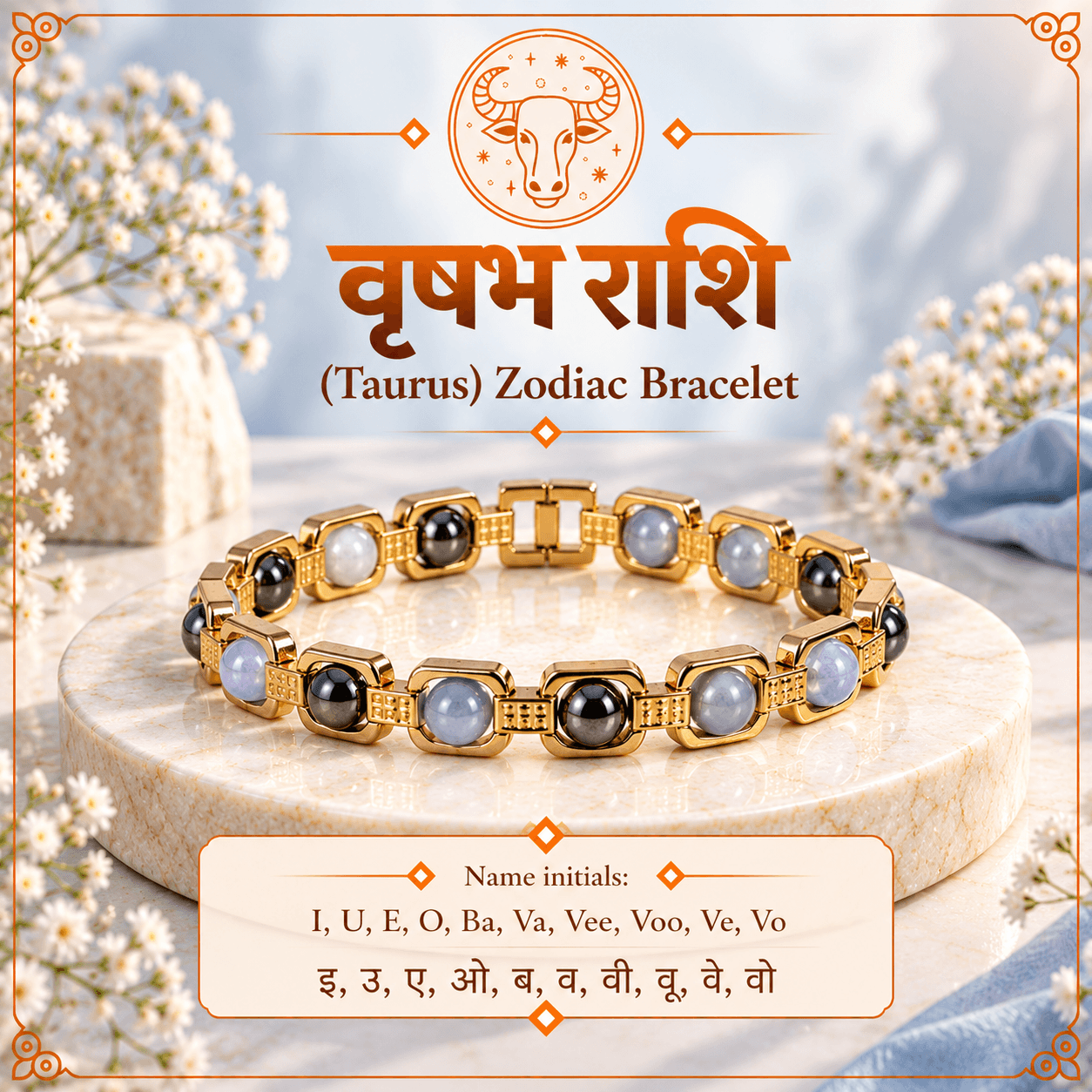
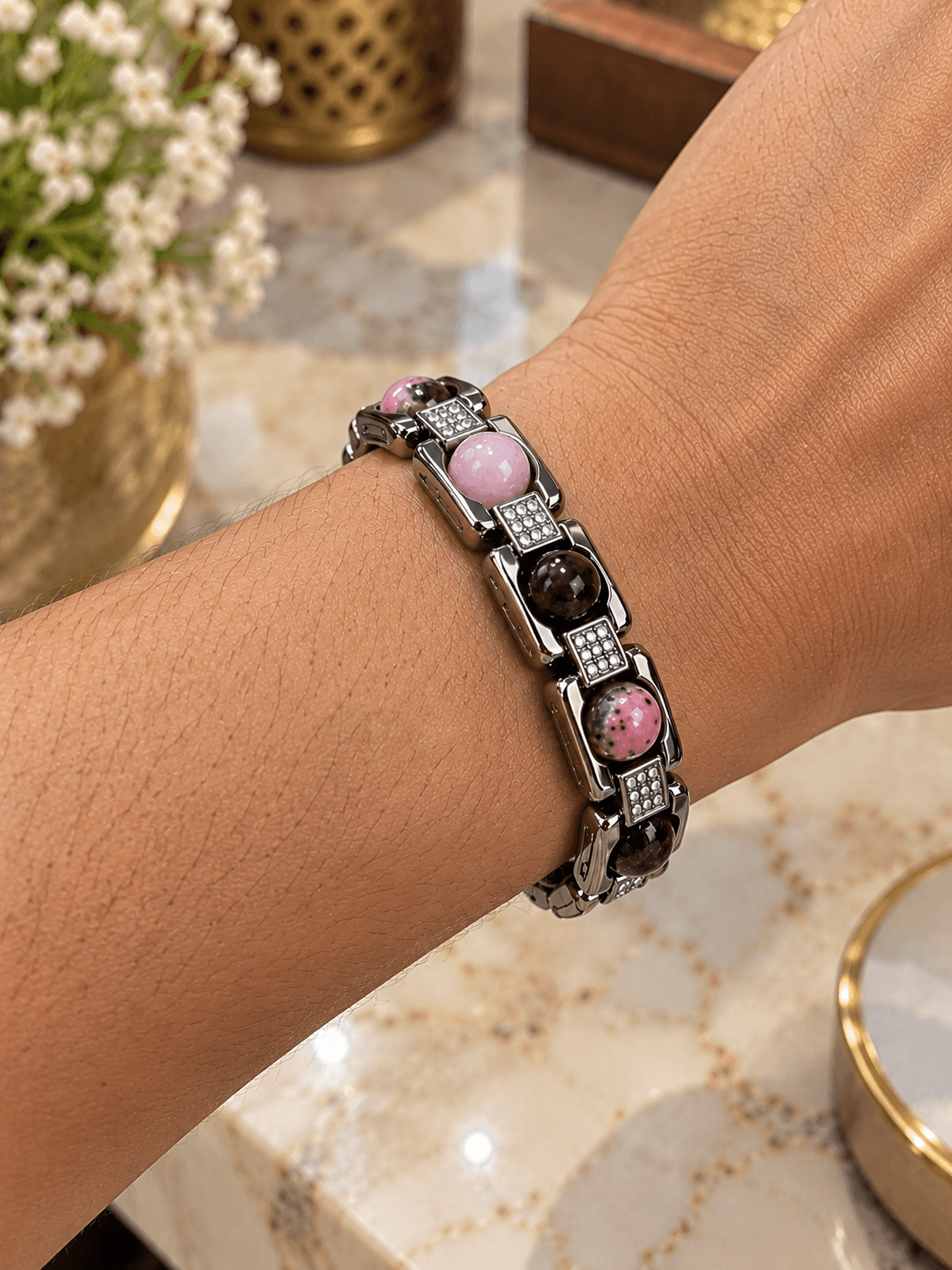
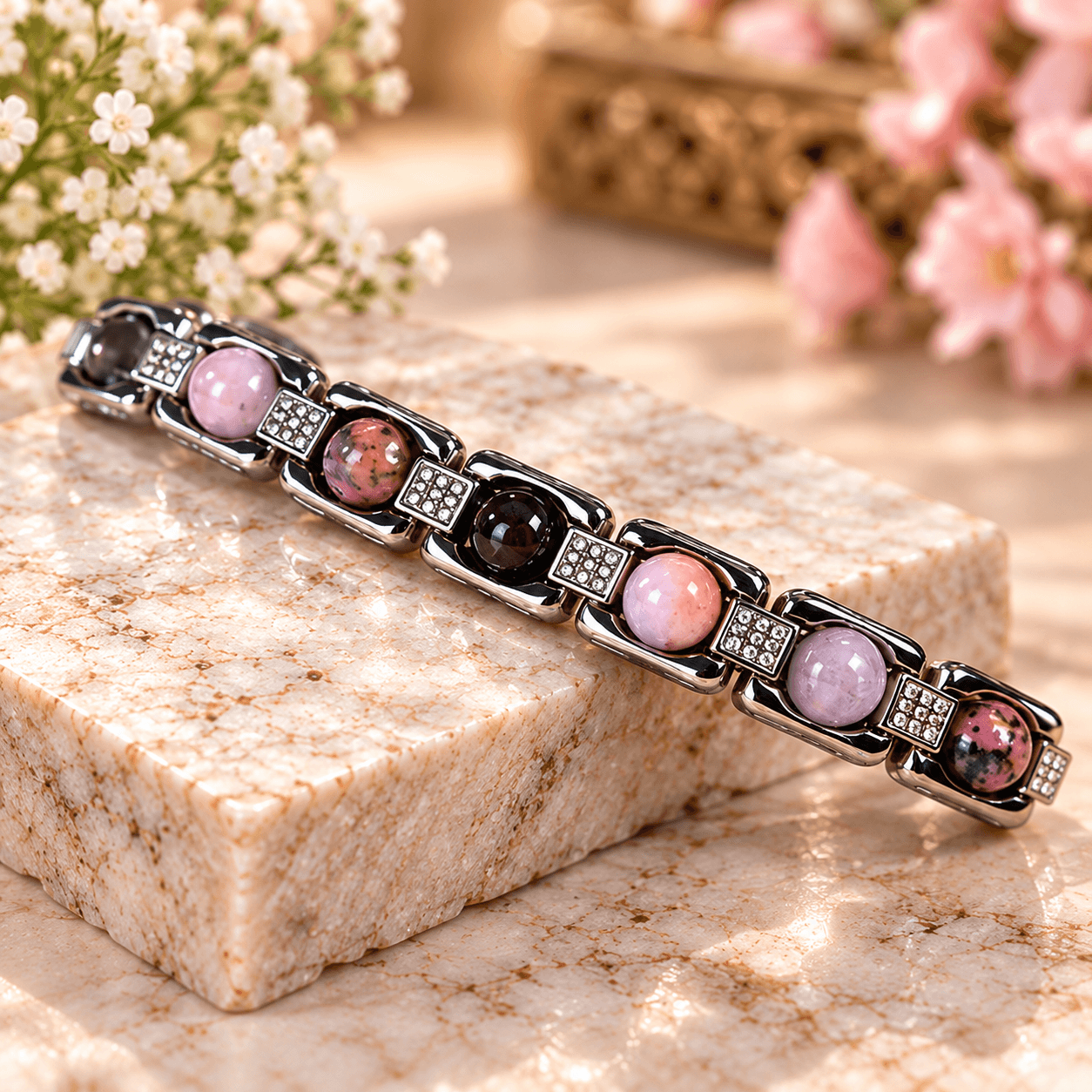
Vrishabha Rashi Bracelet: Explore the Taurus Zodiac Design
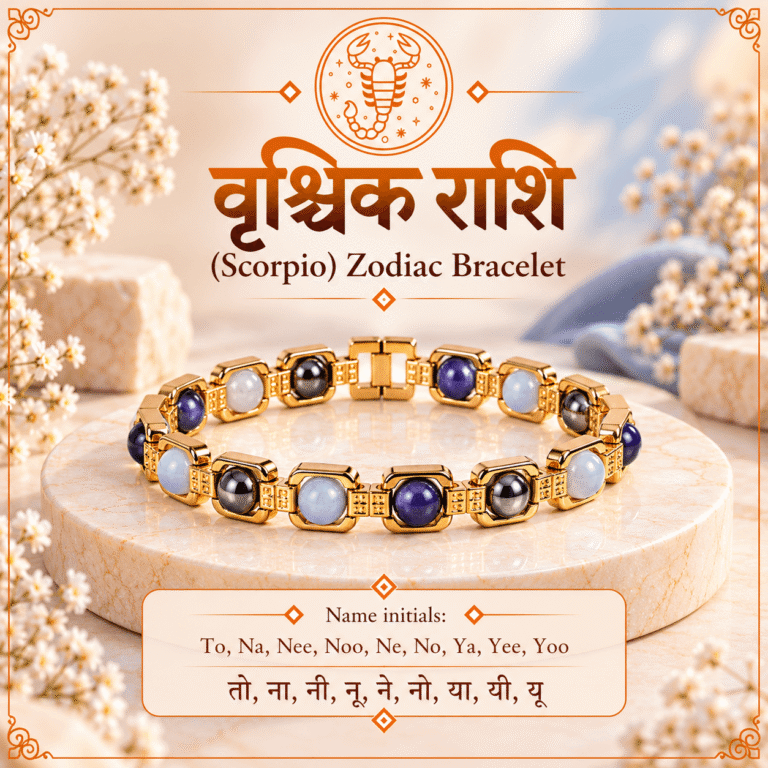
If you enjoy zodiac-themed accessories, you can explore the Vrishabha Rashi Bracelet | Taurus Zodiac Bracelet from My Vaikunth.
The bracelet is part of My Vaikunth’s Rashi Bracelet collection shown in the supplied product screenshots.
Check the actual product description, materials, design and availability before making specific claims. Present the bracelet as a zodiac-themed accessory, not as a guaranteed way to attract wealth, change destiny, provide medical benefits or ensure good fortune.
Conclusion
Vrishabha Rashi is the second sign of the sidereal zodiac in Vedic astrology. It is traditionally associated with Venus, the earth element, the bull symbol and parts of Krittika, Rohini and Mrigashira.
Traditional descriptions often emphasise patience, persistence and appreciation for beauty or comfort. Some popular astrological references associate Vrishabha with green, white or earthy colours, but these associations are not guarantees of success or good fortune.
Understanding the difference between Vedic Vrishabha Rashi and Western Taurus can help you interpret zodiac information more accurately. If you are interested in zodiac-themed accessories, you can also explore the matching Vrishabha Rashi Bracelet from My Vaikunth.
English FAQs
1. What is Vrishabha Rashi called in English?
Vrishabha Rashi is commonly associated with Taurus. However, Vedic sidereal and Western tropical astrology use different zodiac calculations.
2. What is the symbol of Vrishabha Rashi?
The traditional symbol of Vrishabha Rashi is the bull.
3. Which planet rules Vrishabha Rashi?
Venus, known as Shukra in Hindi, is the traditional ruling planet of Vrishabha Rashi in Vedic astrology.
4. What is the lucky colour of Vrishabha Rashi?
Green, white and earthy shades are associated with Vrishabha in some popular astrological references. Recommendations vary by tradition.
5. What are the naming letters of Vrishabha Rashi?
Commonly used naming syllables are Ee, U, E, O, Va, Vi, Vu, Ve and Vo. The exact syllable traditionally depends on the birth nakshatra pada.
6. Is Vrishabha Rashi the same as Taurus?
They are commonly associated names, but Vedic astrology generally uses the sidereal zodiac and Western astrology commonly uses the tropical zodiac. The calculated signs may differ.
7. Can Vrishabha Rashi determine a person’s personality?
A zodiac sign alone cannot reliably determine a person’s personality. Astrological descriptions should be understood as traditional interpretations.
8. Does wearing a Vrishabha Rashi Bracelet guarantee luck?
No. A zodiac bracelet is an accessory; there is no established evidence that wearing it guarantees luck, wealth or success.
Our Category
Mesh Rashi Bracelet | Rashi Bracelets collection | Pooja Samagri | Rudraksha | Jap Mala | Home Decor | All Collections
Our Rashi Products
Mesh Rashi (Aries) | Vrishabha Rashi (Taurus) | Mithun Rashi (Gemini) | Kark Rashi (Cancer) | Singh Rashi (Leo) | Kanya Rashi (Virgo) | Tula Rashi (Libra) | Vrishchik Rashi (Scorpio) | Dhanu Rashi (Sagittarius) | Makar Rashi (Capricorn) | Kumbh Rashi (Aquarius) | Meena Rashi (Pisces
Our Rashi Blogs
Mesh Rashi (Aries) | Vrishabha Rashi (Taurus) | Mithun Rashi (Gemini) | Kark Rashi (Cancer) | Singh Rashi (Leo) | Kanya Rashi (Virgo) | Tula Rashi (Libra) | Vrishchik Rashi (Scorpio) | Dhanu Rashi (Sagittarius) | Makar Rashi (Capricorn) | Kumbh Rashi (Aquarius) | Meena Rashi (Pisces)







No Comments Yet
Be the first to share your thoughts, insights or questions on this article.